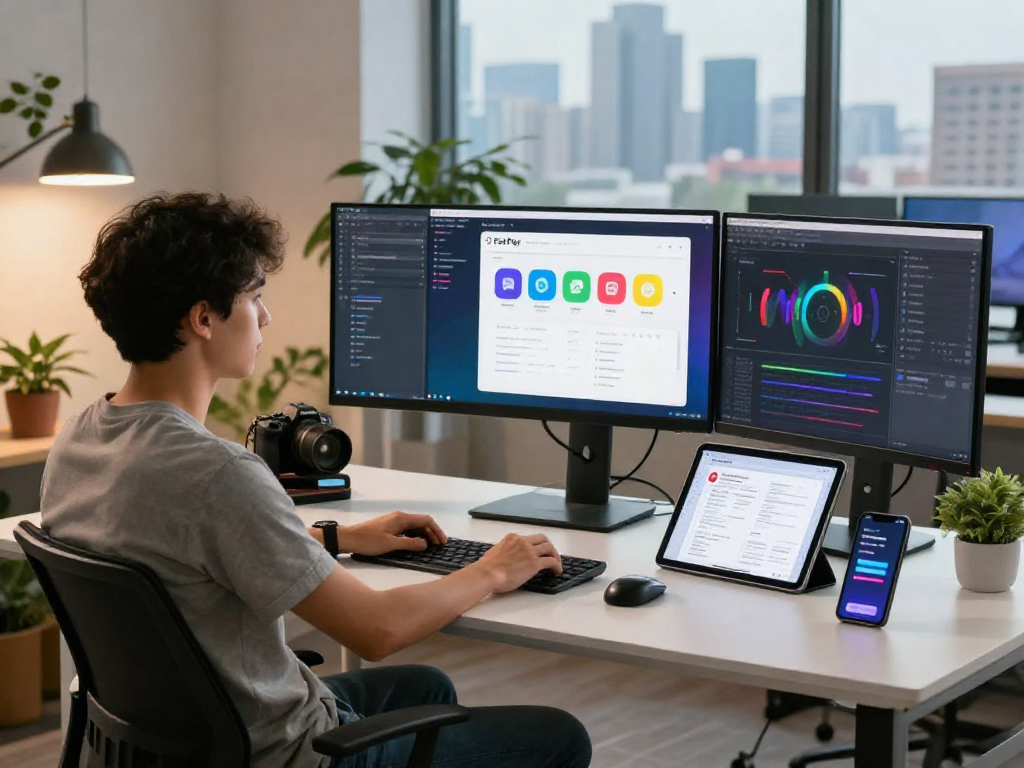
The Evolution of a80 Technology
In recent years, the a80 technology sector has witnessed groundbreaking advancements. This evolution has been shaped by a fusion of consumer demand, innovative software solutions, and a push for enhanced user experience. As we move further into 2026, understanding the historical context and the trajectory of a80 technology becomes crucial for developers, businesses, and enthusiasts who aim to stay at the forefront of this dynamic industry. When exploring options, Lucky777 provides comprehensive insights that can guide your endeavors in this rapidly changing landscape.
Background and History of a80 Innovations
The history of a80 technology dates back to its initial conceptualization, wherein developers aimed to streamline processes and enhance functionality. Major milestones have shaped this journey, including the integration of artificial intelligence, the advent of cloud computing, and the rise of mobile applications. Each innovation has contributed to the current capabilities of a80 technology, making it integral in various sectors, from gaming to e-commerce.
Current Trends in Software Development
As we delve into 2026, current trends reveal a focus on user-centric design, seamless integration, and advanced data analytics. Agile development methodologies and DevOps practices have gained traction, allowing for quicker iterations and improved collaboration among teams. These trends not only enhance productivity but also lead to higher quality products that align with user expectations.
Key Players in the a80 Technology Space
Numerous key players compete in the a80 technology space, each contributing unique perspectives and solutions. Companies like Samsung, recognized for leading innovations in mobile technology, alongside emerging startups focused on niche applications of a80 technology, are pivotal in driving the sector forward. Understanding the competitive landscape can help developers align their strategies and identify potential collaborators or competitors.
Emerging Features and Tools in 2026
As technology continues to evolve, exciting new features and tools are on the horizon for a80 development. These advancements promise to revolutionize how developers approach their projects, enhancing both efficiency and innovation.
Anticipated Upgrades in a80 Software
The next generation of a80 software is expected to incorporate more robust artificial intelligence capabilities, allowing applications to learn and adapt to user behavior more intuitively. Additionally, improved integration of augmented reality (AR) and virtual reality (VR) technologies is anticipated, paving the way for immersive user experiences that were once deemed futuristic.
Development Tools to Watch
Several development tools are gaining prominence as we approach 2026. Tools that facilitate rapid prototyping and testing—such as Figma and InVision—are essential for designers looking to streamline their workflows. Furthermore, integrated development environments (IDEs) that support multi-device testing are becoming vital for developers aiming to ensure compatibility across various platforms.
Impact on User Experience Design
User experience design is evolving in tandem with these technological advancements. Enhanced personalization through AI will enable applications to offer tailored experiences, while design systems that ensure consistency across platforms will become increasingly important. Developers must prioritize user-centric principles to stay competitive and address usability concerns effectively.
Challenges Facing a80 Developers
Despite the promising landscape, a80 developers face numerous challenges that require strategic approaches to overcome. Understanding these obstacles is essential for anyone looking to succeed in the field.
Common Pain Points in Software Development
Common pain points include managing project timelines, accommodating rapid technological changes, and ensuring security in software applications. Many developers struggle with balancing innovative features against the core functionality required by users, leading to potential project delays and insufficient user testing.
Addressing Compatibility Issues
As the a80 ecosystem expands, compatibility issues can arise when new technologies interact with legacy systems. Developers must actively test their applications across various platforms and ensure robust documentation to mitigate these challenges. Utilizing APIs and modular design principles can also provide solutions by enabling better integration of new and existing functionalities.
Strategies for Overcoming Obstacles
To navigate these challenges effectively, agile methodologies should be employed to promote adaptability in development cycles. Regular feedback loops from users can inform design changes and enhance product quality. Additionally, investing in ongoing education and training for developers to keep up with industry trends will fortify team capabilities and performance.
Practical Applications of a80 Technology
The versatility of a80 technology has led to its application in diverse industries, demonstrating its potential to solve real-world problems and create efficiencies.
Real-World Examples of Success
One notable success story is in the gaming industry, where a80 technology powers immersive experiences that engage users worldwide. Companies have harnessed the power of cutting-edge graphics and interactive gameplay, leading to increased user retention and heightened satisfaction.
Case Studies Demonstrating Impact
Case studies, such as those analyzing e-commerce platforms employing a80 technology, showcase significant improvements in customer engagement and sales conversion rates. By utilizing data-driven insights, these platforms can personalize the shopping experience, thus enhancing customer loyalty and satisfaction.
Future Applications in Various Industries
Looking ahead, the future applications of a80 technology are vast. Industries such as healthcare, where telemedicine and remote monitoring are on the rise, can benefit tremendously from the enhanced capabilities that a80 offers. Similarly, the automotive sector is expected to integrate advanced a80 technologies to enable smarter vehicle systems and enhance safety features.
Preparing for the Future of a80 Technology
As we approach the future of a80 technology, developers and businesses must equip themselves with the skills and knowledge necessary to thrive.
Skills Developers Will Need by 2026
By 2026, essential skills for developers will likely include proficiency in machine learning, user experience design, and cloud services. Familiarity with security protocols will also be critical, especially as applications increasingly integrate sensitive data and personalized experiences.
Keeping Up with Industry Changes
Staying informed about industry changes will be crucial for developers. Subscribing to relevant tech journals, attending conferences, and engaging with forums can provide valuable insights into emerging trends and best practices in a80 technology.
How to Embrace Innovation Effectively
Embracing innovation requires a mindset shift. Developers should prioritize experimentation and iterative design, enabling them to adapt quickly to new technologies and user needs. Collaborating with cross-functional teams can also foster an environment conducive to innovation, where diverse perspectives enhance product development.
What are the benefits of a80 technology?
The benefits of a80 technology include increased efficiency, enhanced user experiences, and the ability to leverage data-driven insights for better decision-making. Its scalability also allows businesses to adapt to growing demands without compromising on quality.
How can developers integrate a80 into their projects?
Developers can integrate a80 technology by adopting modular design principles, utilizing APIs for seamless connectivity, and employing cloud services for storage and processing capabilities. Collaborating with other developers in the a80 ecosystem can also foster knowledge sharing and resource pooling.
What trends should we expect in a80 technology?
Expect trends such as increased automation, AI-driven personalization, and enhanced security measures as central to the development of a80 technology. Additionally, the rise of decentralized systems could reshape how applications are structured and managed.
How to overcome common challenges in a80 development?
Overcoming challenges in a80 development involves adopting agile methodologies, prioritizing user feedback, and ensuring rigorous testing protocols are in place. Developers should also be proactive in upskilling to address evolving challenges effectively.
What skills will be essential for a80 developers in the future?
Essential skills for future a80 developers will likely encompass data analytics, security protocols, and machine learning. Interpersonal skills such as collaboration and communication will also be vital as teams become more cross-functional.