
The Profound Effects of Bullying in Schools
Bullying in schools is an insidious issue that affects students from all walks of life. This pervasive problem manifests in many forms, including verbal, physical, and emotional harassment, creating an environment of fear and anxiety among students. Understanding the negative impact of bullying in schools is crucial, not only for the victims but for the overall school climate and academic achievement. When exploring options, The Negative Impact of Bullying in Schools provides comprehensive insights into the various dimensions of this issue.
Understanding the Psychological Impacts of Bullying
The psychological effects of bullying are profound and far-reaching. Victims often experience a myriad of emotional issues, manifesting as anxiety, depression, and low self-esteem. These psychological scars can lead to withdrawal from social interactions and high levels of stress that significantly hinder academic performance. Research indicates that victims of bullying may fail to develop critical social skills, leading to isolation and further mental health challenges as they progress through their educational journey.
Long-term Consequences for Victims
While the immediate effects of bullying can be severely debilitating, the long-term consequences can be even more distressing. Victims may carry the trauma of bullying into adulthood, resulting in chronic mental health issues such as post-traumatic stress disorder (PTSD), depression, and anxiety disorders. Furthermore, studies show that individuals who were bullied during their school years are at an increased risk of engaging in self-destructive behaviors and may have difficulty forming stable relationships. The cycle of bullying can also lead to a greater likelihood of becoming a bully later in life, perpetuating the cycle of violence.
The Role of Bystanders in Bullying Dynamics
Bystanders play a crucial role in the dynamics of bullying in schools. Their reactions can either empower the bully or provide support to the victim. Studies suggest that when bystanders intervene or report bullying, it can significantly reduce the occurrence of such behavior. Conversely, when bystanders remain silent or even encourage bullying, it can lead to a culture of acceptance surrounding such negative actions. This highlights the need for comprehensive education on the responsibilities of all students in combating bullying.
Workplace Harassment: A Broader Perspective
Bullying is not confined to schools; it extends into workplaces, affecting both employees and organizational culture. The effects of workplace harassment can be equally damaging, leading to high turnover rates, increased absenteeism, and a toxic work environment. The relationship between school bullying and workplace harassment is significant, with many bullies exhibiting similar aggressive behaviors into adulthood.
Comparing Workplace Bullying to School Bullying
While bullying shares common threads in school and workplace settings, the context and implications can differ markedly. In schools, bullying is often overt, with clear instances of physical or verbal abuse. In contrast, workplace bullying can be more insidious, taking forms such as exclusion, sabotage, or spreading malicious rumors. Both environments require robust policies to address and mitigate the adverse effects of bullying.
The Psychological Toll on Employees
Employees who experience bullying in the workplace often report increased levels of stress, anxiety, and job dissatisfaction. This not only damages the individual’s mental health but also impacts overall workplace productivity and morale. Organizations that fail to address workplace bullying may find themselves grappling with a culture of fear, leading to reduced collaboration and creativity among employees.
Case Studies: Organizations Addressing Workplace Harassment
Several organizations have successfully implemented strategies to combat workplace harassment. For instance, companies that have adopted comprehensive anti-bullying policies, conducted regular training, and fostered a culture of open communication have reported a marked decrease in harassment incidents. By creating a supportive environment, businesses can enhance employee well-being and overall organizational performance.
The Societal Impact of Bullying
The effects of bullying extend far beyond individual experiences; they permeate societal structures and contribute to a culture of violence and fear. Understanding this societal impact is essential for developing effective intervention strategies that foster a safer community for all.
Bullying and Its Contribution to a Culture of Violence
Bullying can normalize aggressive behavior, leading to broader societal implications. When bullying is pervasive, it can create a culture that accepts and even encourages violent behaviors. This normalization can influence societal attitudes towards aggression, diminishing empathy and promoting hostility in various social interactions.
The Economic Costs of Bullying on Society
Beyond emotional and psychological impacts, bullying incurs significant economic costs. The long-term effects of bullying can result in increased healthcare costs due to mental health issues, lost productivity from absenteeism, and even legal costs associated with workplace harassment claims. By addressing bullying comprehensively, society can reduce these costs significantly.
Media Representation of Bullying Issues
The media plays a critical role in shaping perceptions about bullying. Responsible representation can highlight the serious effects of bullying and promote awareness, while sensationalized portrayals can trivialize the issue or reinforce negative stereotypes. It's essential for media outlets to handle bullying stories sensitively and accurately to foster understanding and encourage positive change.
Prevention Strategies in Educational Settings
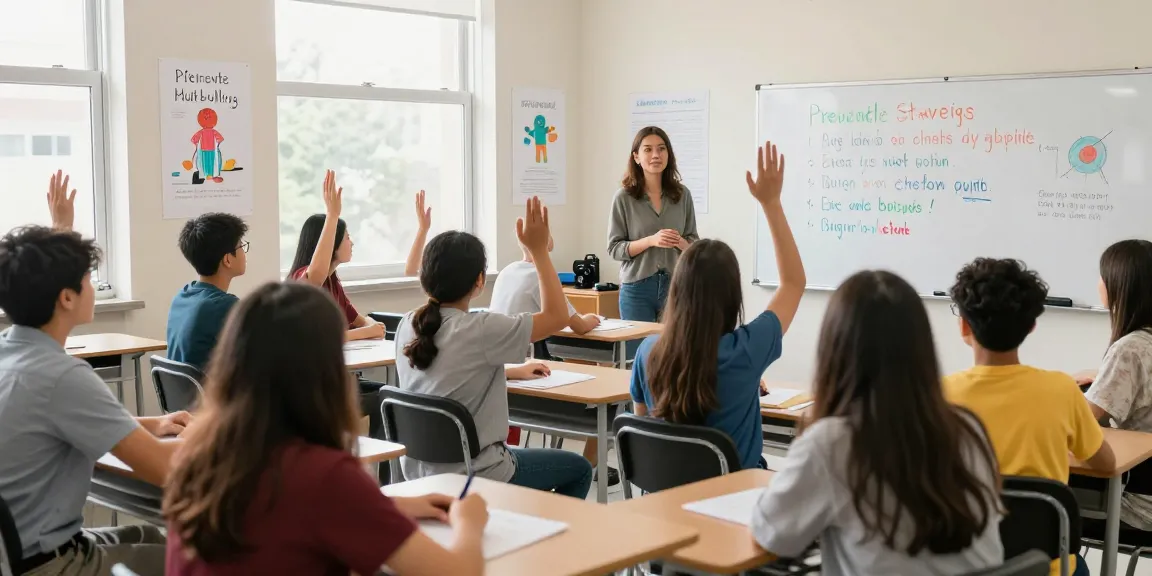
Addressing bullying in schools requires proactive and comprehensive strategies. Effective prevention programs focus on creating a supportive and inclusive environment that empowers students to speak out against bullying.
Effective Anti-Bullying Programs and Initiatives
Many schools have successfully implemented anti-bullying programs that encourage student participation and promote empathy. Programs like Olweus Bullying Prevention Program and KiVa have demonstrated success in reducing bullying incidents and improving the overall school climate. These initiatives emphasize the importance of peer support and create a structured approach to tackle bullying behavior.
Creating an Inclusive School Environment
Fostering an inclusive school environment is critical to preventing bullying. Schools can implement policies and initiatives that encourage diversity and inclusion, ensuring that every student feels valued and respected. Programs that celebrate differences and promote teamwork can significantly contribute to reducing instances of bullying.
Role of Parents and Guardians in Bullying Prevention
Parents and guardians play a vital role in bullying prevention efforts. Open lines of communication between parents and children can help identify signs of bullying early. Parents should foster resilience in their children, teaching them appropriate ways to handle conflicts and encouraging them to report bullying when they witness it.
How to Foster Empathy and Kindness
Creating a caring and kind environment is fundamental to preventing bullying. Efforts to instill empathy and respect among students can lead to a significant decline in bullying behavior.
Building a Supportive Community Among Students
Schools can facilitate activities that promote teamwork and collaboration, helping students build strong connections with each other. Programs that encourage peer mentoring and support can foster a sense of belonging, making it less likely that bullying will occur.
Teaching Conflict Resolution Skills
Equipping students with conflict resolution skills is essential for reducing bullying. By teaching students how to effectively communicate and resolve disputes peacefully, schools can empower them to handle conflicts without resorting to aggression or intimidation.
The Importance of Positive Role Models
Positive role models, whether they are teachers, parents, or older students, can have a profound impact on shaping student behavior. Encouraging mentorship programs within schools can provide students with examples of kindness and respect, reinforcing the importance of treating others well.
What are the long-term effects of bullying?
The long-term effects of bullying can include chronic mental health issues, difficulties in forming relationships, and a higher likelihood of engaging in bullying behavior themselves as adults. Victims may also experience issues such as PTSD and diminished self-esteem, affecting their quality of life.
How can schools effectively prevent bullying?
Schools can effectively prevent bullying by implementing comprehensive anti-bullying programs, fostering an inclusive environment, and encouraging open communication among students, parents, and teachers. Regular training sessions on empathy and conflict resolution can also enhance prevention efforts.
What role do parents play in bullying prevention?
Parents play a crucial role in bullying prevention by staying informed about their children’s social interactions and teaching them how to handle conflicts responsibly. Open discussions about bullying and reinforcing positive behavior at home can contribute to a child’s ability to navigate social situations healthily.
How does workplace bullying differ from school bullying?
While both school and workplace bullying share similar characteristics, workplace bullying often involves more subtle and insidious tactics, such as isolation, sabotage, and emotional manipulation. The context and potential consequences also differ significantly, with workplace bullying often impacting job security and professional relationships.
What societal changes can help reduce bullying?
Societal changes that can help reduce bullying include promoting awareness through education, implementing stricter policies against harassment in schools and workplaces, and fostering a culture of respect and inclusivity. Community engagement and collaboration among various stakeholders can create a supportive environment where bullying is not tolerated.